








Coorg gets called the "Scotland of India" often enough that the phrase has become a cliché — but it undersells what actually makes the region worth visiting. Most people arrive expecting misty hills and coffee, and leave surprised by how much wildlife, adventure, and genuine plantation-life experience is packed into a relatively compact district.
This guide covers both sides of Coorg properly: the safaris and wildlife side most visitors don't plan for in advance, and the coffee plantation experience that's usually treated as a quick photo stop rather than the immersive activity it can actually be.
- 1.Coorg at a Glance
- 2.Coorg's Wildlife and Safari Side
- 3.The Coffee Plantation Experience
- 4.What Else to See in Coorg
- 5.Adventure Activities in Coorg
- 6.Best Time to Visit
- 7.How to Reach Coorg
- 8.A Sample 3-4 Day Itinerary
- 9.Realistic Costs
- 10.Common Mistakes to Avoid
- 11.Plan Your Coorg Trip With Safaar
- 12.Frequently Asked Questions
Coorg at a Glance
| Detail | Information |
|---|---|
| State | Karnataka |
| Also known as | Kodagu |
| Known for | Coffee plantations, spice estates, wildlife, waterfalls, Kodava culture |
| Nearest airport | Mangalore or Bengaluru (both require a road transfer) |
| Nearest railway station | Mysuru |
| Best time to visit | October to March |
| Ideal trip length | 3-4 days |
| Distance from Bengaluru | Approximately 250-260 km |
| Distance from Kerala (Wayanad/Kannur) | Approximately 80-120 km, depending on route |
Coorg's Wildlife and Safari Side
This is the part of Coorg most trip planning underestimates. The district sits adjacent to some of Karnataka's richest wildlife territory, and several safari options exist within a short drive of Madikeri, Coorg's main town.
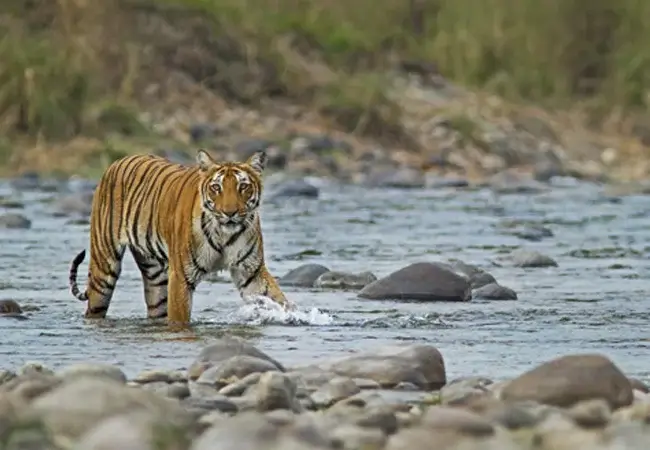
Nagarhole National Park (Rajiv Gandhi National Park) is the primary safari destination near Coorg, known for elephants, tigers, and a wide range of birdlife, with jeep safaris available through the forest department. This is generally the go-to option for visitors specifically searching for a "Coorg safari," even though the park itself sits just outside Coorg district proper.
Dubare Elephant Camp offers a different kind of wildlife experience — a chance to observe, and in some programs assist with, the daily care of elephants used in forest department operations, including bathing and feeding. It's a popular half-day addition for families specifically.
Nisargadhama and smaller forest reserves around Coorg offer lighter nature-walk experiences for those wanting wildlife-adjacent scenery without committing to a full safari booking.
Booking tip: safari permits at Nagarhole, like most Karnataka forest department bookings, are limited per slot and should be arranged in advance rather than assumed available on arrival, particularly during the October-March peak season.
The Coffee Plantation Experience
Coorg produces a significant share of India's coffee, and a plantation visit here can range from a quick 20-minute walk-through to a genuinely immersive half-day experience, depending on the estate.
What a good plantation tour actually covers: a walk through the estate explaining the difference between Arabica and Robusta varieties grown in the region, the shade-grown cultivation method distinctive to Coorg (coffee grown under a canopy of taller trees rather than in open sun), the harvesting and processing process, and a tasting session at the end — often paired with a look at the estate's spice cultivation (cardamom, pepper, and vanilla are commonly interplanted with coffee in the region).
Choosing a plantation tour: working estates that host structured visitor programs generally offer a more informative experience than a passing photo-stop plantation, and many now offer plantation-stay accommodation for those who want to extend the experience overnight rather than treating it as a single stop on a longer day.
What Else to See in Coorg
Abbey Falls, a short drive from Madikeri, is one of the district's most visited waterfalls, particularly striking during and just after monsoon season.
Raja's Seat, a garden viewpoint in Madikeri offering sunset views across the surrounding hills, historically used by Coorg's former royal family for exactly that purpose.
Talakaveri, the source of the Kaveri River and a site of genuine religious significance, situated at a scenic elevated point worth the drive for those interested in the region's spiritual side alongside its natural attractions.
Namdroling Monastery (the "Golden Temple") in nearby Bylakuppe, one of the largest Tibetan settlements in India, with a strikingly ornate monastery complex that's a distinctive stop for those extending their Coorg trip slightly further afield.
Adventure Activities in Coorg
Beyond safaris, Coorg has developed a reasonable adventure-tourism offering: river rafting on the Barapole River (seasonal, generally monsoon-to-post-monsoon dependent on water levels), trekking routes up Tadiandamol (Coorg's highest peak) and other nearby hills, and mountain biking routes through plantation backroads for those wanting a more active way to see the estate landscape than a standard walking tour.
Best Time to Visit
October to March is the strongest overall window — post-monsoon greenery is at its most vivid, weather is comfortable, and this period also covers the coffee harvest season (roughly November-January), making it the best time to combine sightseeing with an active, harvest-season plantation visit.
July to September (monsoon) brings the region's waterfalls to their fullest and most dramatic, and Coorg's monsoon scenery has a genuine following among photographers, but expect heavy rainfall, leech activity on forest trails, and reduced safari visibility.
April to June is hotter and drier, generally considered the least appealing window compared to the other two.
How to Reach Coorg
By air: Mangalore and Bengaluru are the nearest airports, both requiring a further road journey of several hours into Coorg district.
By rail: Mysuru is the nearest major railway station, followed by a road transfer.
By road from Kerala: Coorg's proximity to Wayanad and Kannur (roughly 80-120 km depending on the exact route) makes it a natural and popular combination with a North Kerala itinerary, rather than a standalone Karnataka-only trip.
A Sample 3-4 Day Itinerary
Day 1: Arrival in Madikeri, Raja's Seat sunset viewpoint, orientation to the town.
Day 2: Coffee plantation tour and tasting in the morning, Abbey Falls in the afternoon.
Day 3: Nagarhole safari (early morning slot) and Dubare Elephant Camp.
Day 4: Talakaveri or Namdroling Monastery, followed by departure.
This structure balances the plantation/cultural side with the wildlife side without over-packing any single day — both the safari and plantation experiences benefit from unhurried mornings rather than being squeezed between other activities.
Realistic Costs
- Safari permits (Nagarhole): priced per vehicle, shared across your group, with separate park entry fees — book ahead during peak season
- Plantation tours: generally low-cost for a basic walk-through, with a higher charge for guided, tasting-inclusive programs at working estates
- Dubare Elephant Camp: modestly priced entry, with additional charges for elephant-interaction programs where offered
- A complete package covering transport, safari bookings, and plantation-estate visits removes the coordination effort of arranging each piece separately, particularly useful given how spread out Coorg's attractions are relative to its compact-sounding reputation
For a planned Coorg itinerary, see Safaar's Karnataka - Coorg, Hampi & Mysore tour package.
Common Mistakes to Avoid
Treating the plantation visit as a 15-minute photo stop. A proper guided tour with tasting is a genuinely worthwhile couple of hours, not a drive-by attraction.
Not booking Nagarhole safari slots in advance. Permits are limited and demand is real during peak season.
Underestimating travel time between Coorg's spread-out attractions. Coorg's sights are more spread across the district than the "compact hill station" reputation suggests — factor in real driving time between Madikeri, Talakaveri, and the safari zones.
Visiting during peak monsoon expecting good safari visibility. July-September is excellent for waterfalls but genuinely reduces wildlife sighting odds and adds leech-heavy trail conditions.
Plan Your Coorg Trip With Safaar
Between coffee estate visits, safari permit timing, and Coorg's genuinely spread-out geography, a well-planned Coorg trip benefits from the same kind of upfront coordination as any wildlife-adjacent destination. Get in touch with Safaar and we'll build your Coorg itinerary — standalone or combined with Kerala or wider Karnataka — around your dates.